


Getting a loan approved is rarely about luck. Most approvals or declines are decided long before an application is submitted.
In Melbourne, borrowers often assume their income is strong enough, their credit history is “fine,” and the bank will work things out once the paperwork goes in. In reality, lenders apply strict rules behind the scenes, and small issues can quietly derail an application.
Here’s the good news. Many of those issues are fixable. With the right preparation, you can significantly improve your loan approval chances before you apply, without earning more money or changing your life overnight.
Let’s break it down.
Why Loan Applications Get Declined in Melbourne
When borrowers are declined, they often hear vague explanations like “serviceability didn’t meet requirements” or “credit policy.” That can be frustrating, especially when your finances feel stable.
Common reasons applications fail include:
- Income not assessed the way borrowers expect
- Living expenses higher than lender benchmarks
- Existing debts reducing borrowing power more than assumed
- Credit file issues that seemed minor
- Applying to the wrong lender first
Melbourne borrowers face extra pressure because living costs are higher than many other parts of Australia. Lenders know this, and they factor it into their calculations.
Understanding how lenders think is the first step to improving your chances.
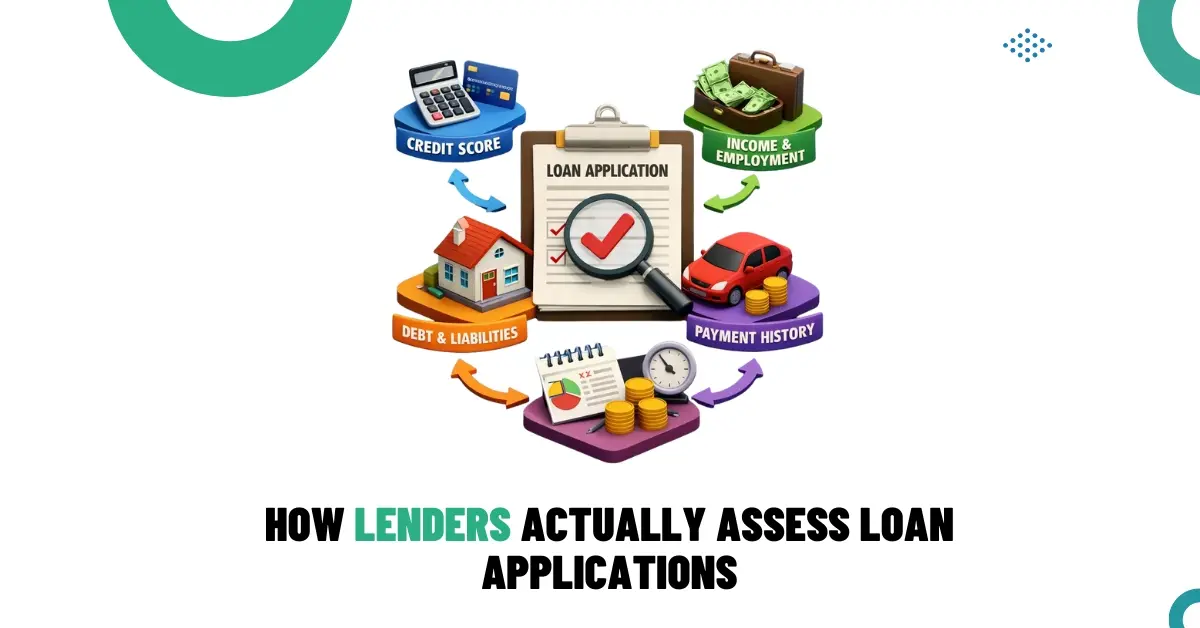
How Lenders Actually Assess Loan Applications
Why Speaking to a Mortgage Broker First Makes a Difference
Most borrowers focus on interest rates. Lenders focus on risk.
When a bank or lender reviews an application, they look at three main areas.
Serviceability
This is whether you can afford the loan now and if rates increase.
Lenders apply buffers above current interest rates to test your repayments. Even if your actual repayment looks comfortable today, the assessment may say otherwise.
Expenses
Living expenses are not just what you declare. Lenders compare your spending to benchmark figures and bank statements.
If your actual spending is higher, they use the higher number.
Stability
Lenders like consistency. Stable income, stable employment, and predictable financial behaviour all improve approval odds.
Two borrowers with the same income can get very different outcomes depending on these factors.
Clean Up Your Credit Profile Before You Apply
You do not need a perfect credit score, but you do need a clean and accurate one.
Before applying, you should:
- Check your credit report with Australian credit agencies
- Look for errors or outdated listings
- Confirm paid defaults are correctly marked
- Review how many recent credit inquiries you have
Even small issues matter. Multiple inquiries in a short period can make lenders nervous. Paid defaults are better than unpaid ones, but some lenders still treat them cautiously.
Fixing errors early gives you more options later.
Reduce Existing Debts the Smart Way
Many borrowers think paying down Debt Consolidation always helps. Sometimes it does. Sometimes it doesn’t.
Here’s what lenders really look at.
Credit Cards
Lenders assess cards at their limit, not the balance.
A card with a $15,000 limit affects serviceability even if the balance is zero. Reducing limits or closing unused cards can help more than paying them down.
Personal Loans and Car Loans
Monthly repayments matter more than total balances.
In some cases, restructuring a personal loan can improve borrowing power more than paying it off in full.
Buy Now Pay Later
These products are assessed differently across lenders, but they are rarely ignored. Closing unused accounts can reduce friction.
Timing is critical. Making changes too close to applying can raise questions. Planning ahead gives you flexibility.
Stabilise Your Income Where Possible
Income is not just about how much you earn. It’s about how lenders treat it.
PAYG Employees
Permanent, ongoing roles are usually straightforward. Casual roles can work, but lenders often want a longer history.
Overtime, Bonuses, and Commission
Most lenders want to see consistency over time. One strong month is not enough.
Contractors and Self-Employed Borrowers
Income is assessed using tax returns, business financials, and sometimes bank statements. Changing structures or income patterns close to applying can slow things down.
If you’re planning a job change, contract switch, or business restructure, timing it correctly can protect your approval chances.
Get Your Documents Ready Before You Apply
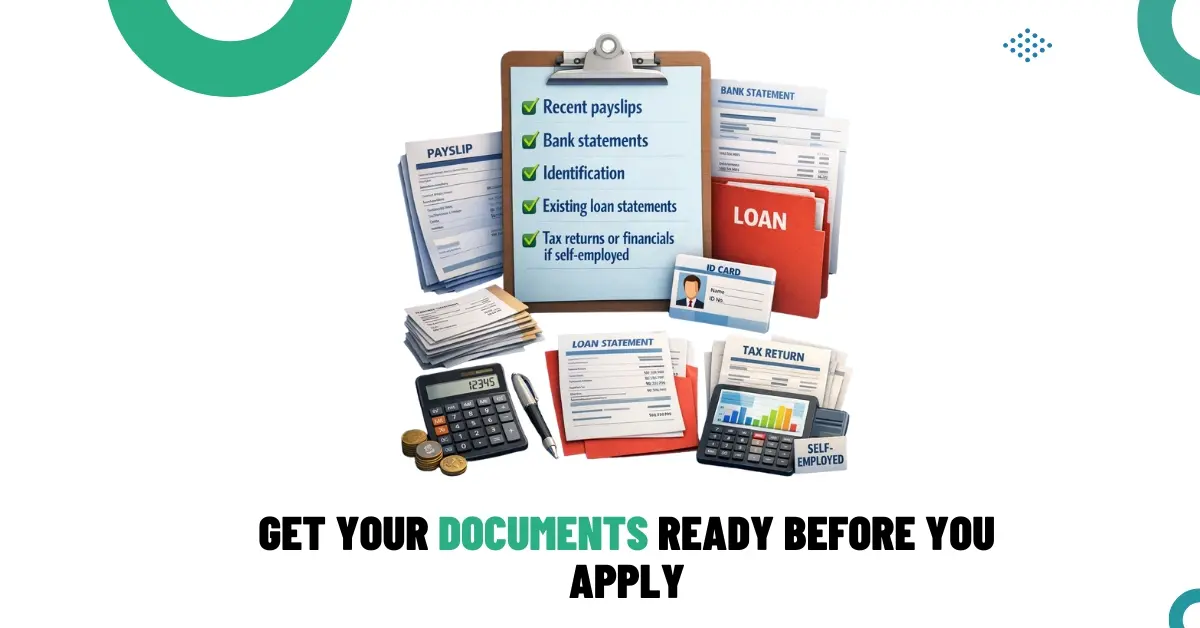
Incomplete applications cause delays and increase scrutiny.
Most lenders will ask for:
- Recent payslips
- Bank statements
- Identification
- Existing loan statements
- Tax returns or financials if self-employed
Having everything ready upfront shows organisation and reduces back-and-forth with the lender. In Melbourne’s competitive market, speed and clarity matter.
Common Pre-Application Mistakes to Avoid
Many borrowers unknowingly hurt their chances before they apply.
Some common mistakes include:
- Applying directly with a bank before understanding your options
- Using online calculators as a final answer
- Taking out a new car loan before applying for a home loan
- Making large unexplained transfers between accounts
- Submitting applications to multiple lenders at once
Each application leaves a footprint. Protecting your credit file is just as important as improving your finances.
Why Speaking to a Mortgage Broker First Makes a Difference
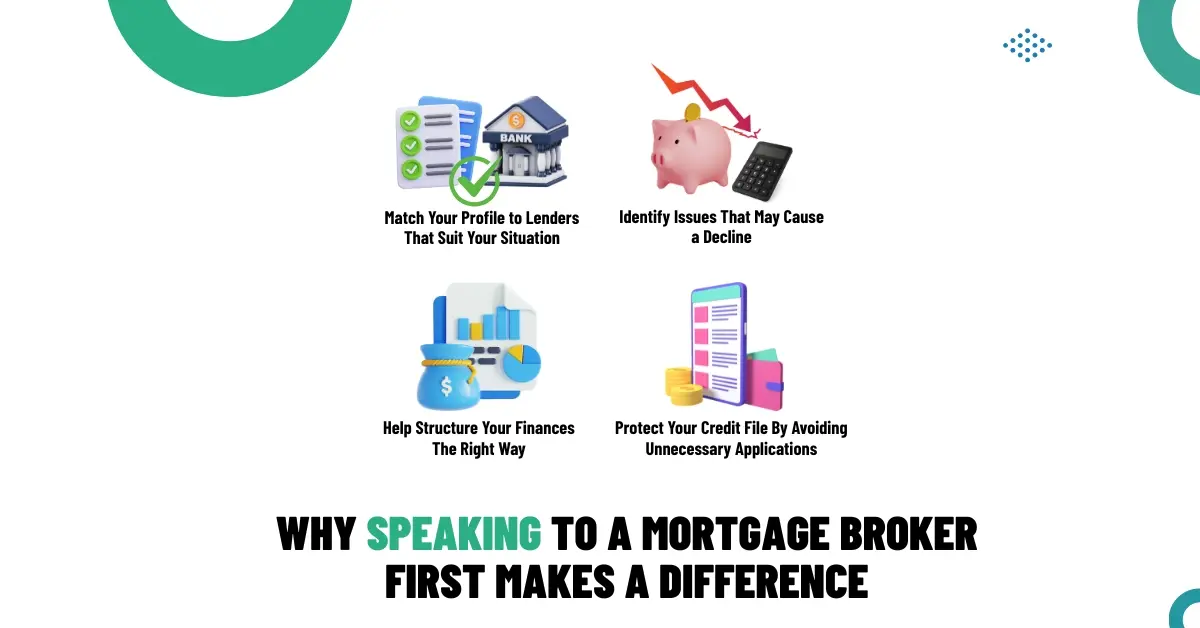
A mortgage broker does more than submit forms.
Before you apply, a broker can:
- Match your profile to lenders that suit your situation
- Identify issues that may cause a decline
- Help structure your finances the right way
- Protect your credit file by avoiding unnecessary applications
- Give realistic guidance, not guesswork
This is especially helpful in Melbourne, where lender rules can vary by postcode, property type, and borrower profile.
If you want to understand your options before applying, speaking with a mortgage broker early can change the outcome.
Special Advice for First Home Buyers in Melbourne

First home buyers face extra pressure, especially in auction-heavy suburbs.
Key things to prepare early include:
- Getting proper pre-approval, not just an estimate
- Understanding how deposits, LMI, and grants interact
- Borrowing below your maximum limit for comfort
- Knowing which lenders suit first home buyer profiles
Preparation gives you confidence when properties move quickly.
Signs You Are Ready to Apply
You are usually in a strong position when:
- Your income is stable and documented
- Your debts are structured sensibly
- Your credit file is clean and accurate
- Your expenses are understood and controlled
- You know which lenders suit your situation
At that point, applying is not stressful. It’s a logical next step.
Final Thoughts
Loan approval is not about being perfect. It’s about being prepared.
Melbourne borrowers who understand how lenders assess applications and take small steps early often get better outcomes, better loan options, and less stress.
If you want clarity before applying, a short conversation can help you understand where you stand and what to improve before taking the next step.
Preparation creates choice. And choice creates confidence.
Frequently Asked Questions
Q1. How long should I prepare before applying for a loan?
Ans: Ideally three to six months. Some changes help quickly, others need time to show.
Q2. Does checking my credit report affect my score?
Ans: No. Checking your own report does not impact your credit score.
Q3. Can I improve approval chances without earning more?
Ans: Yes. Reducing limits, cleaning up expenses, and choosing the right lender often makes a big difference.
Q4. Is it bad to apply with multiple lenders?
Ans: Yes. Multiple applications can reduce approval chances and limit options.
Q5. Do lenders treat Melbourne borrowers differently?
Ans: Living costs and property prices mean serviceability is often tighter than in other regions.

Corry Cincotta - Mortgage Broker & Property Investor
Meet Corry Cincotta, owner of Digital Finance Solutions. A passionate property investor committed to helping Australians achieve their financial goals.


.png)


